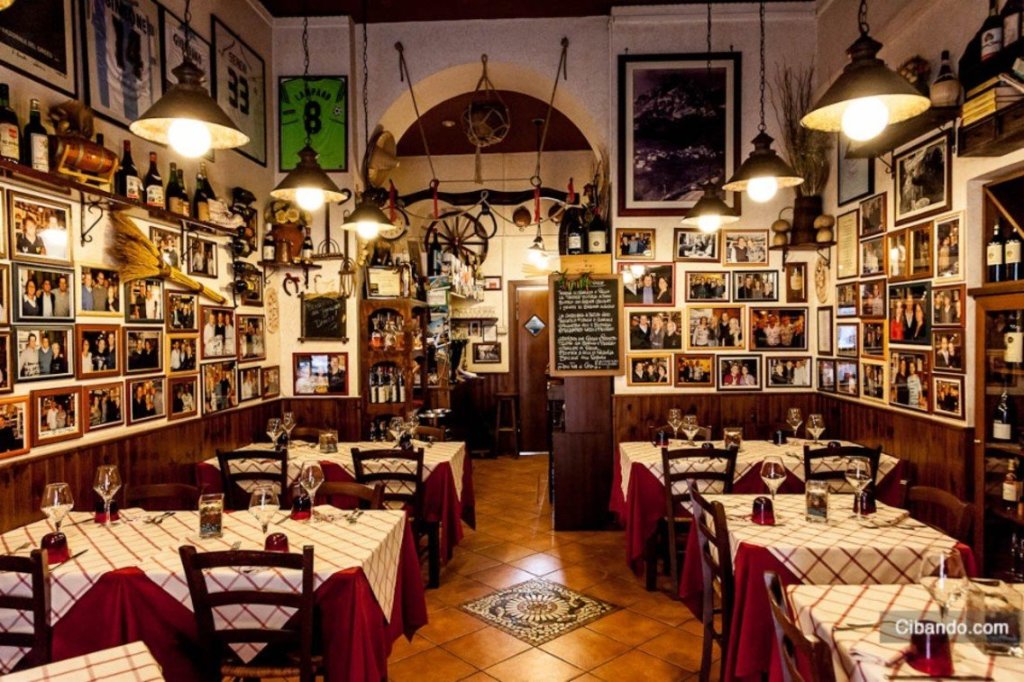
There trattoria a Milan It is a history, a predominantly popular place, where one can satiate oneself with typical and genuine meals or dinners, often found in the central working-class neighborhoods of cities or in small towns where the organization of the restaurant would be difficult to justify for the type of clientele.
For information call or send a mobile text message to (+39) 3384085619: The service we offer is excellent and free, always available day and evening every day of the week. For an immediate quote, send an email to info@preventivieventi.it
Milan is the city of fashion and aesthetics: in the skyscrapers, as well as beneath the spires of the Duomo, men and women seem to stand still, and the doors of designer-curated establishments, reflecting the current season's trends, open. Yet even in Milan, there are restaurants that seem to have no interest in their appearance. These establishments are indifferent to the passing of time and fashion; and for this reason, they risk remaining indifferent even to passersby, drawn by the bright signs of a new opening. In some cases, however, this would be a grave mistake: here are some of the "ugly but good" restaurants not to be missed in Milan.
In Milan, trattorias are famous and sought-after for the quality and authenticity of their food and the distinctiveness of their preparation, almost always based on local or regional cuisine. Affordability is another attraction, complemented by a simpler service and decor. Milanese people enjoy eating at trattorias because they are typically Milanese, reflecting the taste and mentality of Milanese culinary tradition.
In Italy, people love to eat well, but overly elaborate dishes are preferred to simpler, more authentic ones that require not only top-quality ingredients but also personal involvement from those who prepare them. This is why a trattoria's kitchen is often staffed by a woman, usually the owner's wife, who knows how to give the dishes a homemade flavor. The menu is usually short and generous because almost everything is freshly prepared and features house specialties and typical regional dishes. Tables are set simply but with care, and, importantly, the wine is always good and authentic.
At Via Edoardo Porro 8, in a peripheral and decidedly unglamorous setting, lies the entrance to what might appear to be an old village bar. It is actually the’Other IslandDon't be fooled by the Chinese staff or overlook the owner's gruff welcome. This trattoria is one of the best in Milan for cotoletta and ossobuco.
Also From Martino, at Via Farini 8, may be a bit deceptive at first. The entrance is entirely occupied by a counter selling takeout food and pizza by the slice, but walk further into the small room with half-height wood paneling and a plethora of tables. Gain a few square inches and choose whether to order pizza, fried foods, or the renowned house cutlet.
On the other side of the city, a few meters from the new Fondazione Prada and the platforms of Porta Romana station, the’'Osteria Tajoli (Via Brembo 11) could easily go unnoticed were it not for the many nearby workers who crowd it during their lunch break. Paper placemats, a wood-paneled dining room, prints and clippings, and a glass- and plastic-covered veranda are the specialty. Its strong point is home-cooked food: the menus are handwritten daily and include ravioli and cutlets, as well as specialties like caserecci with broad beans, pancetta, and pepper.
Affori was once not a neighborhood of Milan but a village in its own right. The Sempre Uniti cooperative, which sought to unite and aggregate the workers of the Milanese suburb, dates back to that time.’Billiards Inn It has retained the same sign and a bar-like entrance, located on a side, almost winding street near Villa Litta (Via Enrico Cialdini 107). The name comes from the large Italian-style billiard tables in the trattoria's large room. They serve platters of cured meats and cheeses, but above all, dishes that blend traditional and creative (at affordable prices) such as casarecci pasta with mint, almonds, and lime and anchovy tart with pepper cream.
For a few decades, Milanese office workers used to have lunch in dairies. Today, the custom has faded; but if you'd like to revive it, take a stroll around Porta Venezia. Look for a shop window decorated with a checked tablecloth and a chalkboard with the daily menu: La Cicala Dairy, located at Via Bellotti 13, offers home-cooked meals in a decidedly casual atmosphere, where diners often find themselves setting and clearing the table, sharing the table with strangers. Dishes vary daily and include a wide variety of seasonal vegetables, pasta and sourdough bread, and grilled meats on special occasions.
Exotic foods are often a discovery; it certainly is. Nabab, an Indian restaurant at Piazza Sant'Agostino 2, that makes no effort to distinguish itself from the many low-cost, low-quality ethnic restaurants. A white and blue sign leads to a slightly more colorful entrance, but almost entirely devoid of the decorations that usually adorn these types of restaurants. What matters, however, is the food: despite its reputation, Nabab's is good quality, flavorful, and plentiful, with both vegetarian and meat options.
The best restaurant among the ugly ones in Milan is located in Via Lombroso 20. In an anonymous street devoid of any attraction, the New Slaughterhouse Restaurant It has the unremarkable appearance of a provincial bar-osteria: the green and white striped awnings are framed by a few hedges, while the half-height curtains on the windows prevent a peek inside. But if you haven't already heard, take a leap of faith and book a table: the kitchen, among perfectly executed classics like the cotoletta alta and the mondeghili, offers revisited dishes like risotto ed erborin, with parsley, lime, and marinated cuttlefish, and the Tokyo-Milano, which wraps beef tartare in nori seaweed and serves it with lumpfish roe and wasabi mayonnaise.
Venue names and trademarks are property of their respective owners. Listings are independently compiled for informational purposes only and do not imply endorsement or affiliation.